
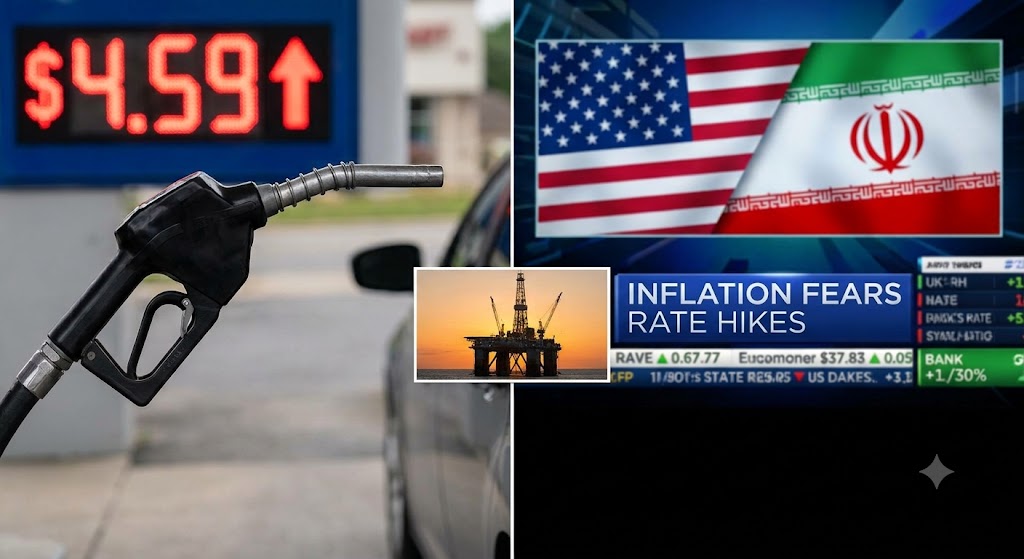
Global oil and gas prices experienced an upswing following renewed military tensions between the United States and Iran, sparking concerns about energy supply disruptions and inflationary pressures. Brent crude saw a brief spike, reaching its highest point in over a month, before stabilizing. This fluctuation occurred after U.S. President Donald Trump decided against implementing a proposed 20% fee on ships transiting the Strait of Hormuz, a critical passage for global oil shipments.
The increase in energy prices has also heightened expectations that central banks, such as the Bank of England and the European Central Bank, might consider raising interest rates later in the year to mitigate inflation. As a result, bond yields have risen, while European stock markets initially dropped before recovering, influenced by the easing concerns over the proposed shipping levy.
Experts suggest that ongoing Middle East tensions could maintain volatility in energy markets, potentially impacting global inflation trends and monetary policies in the months ahead. The strategic importance of the Strait of Hormuz, through which a significant portion of the world’s oil supply is transported, underscores the potential for these geopolitical developments to affect economic conditions worldwide.
While the immediate threat of the shipping fee has subsided, the broader implications of military strife in the region remain a point of concern for investors and policymakers alike. The interconnected nature of global energy markets means that such geopolitical events can have far-reaching economic consequences, necessitating vigilance and strategic planning from both governments and financial institutions.