
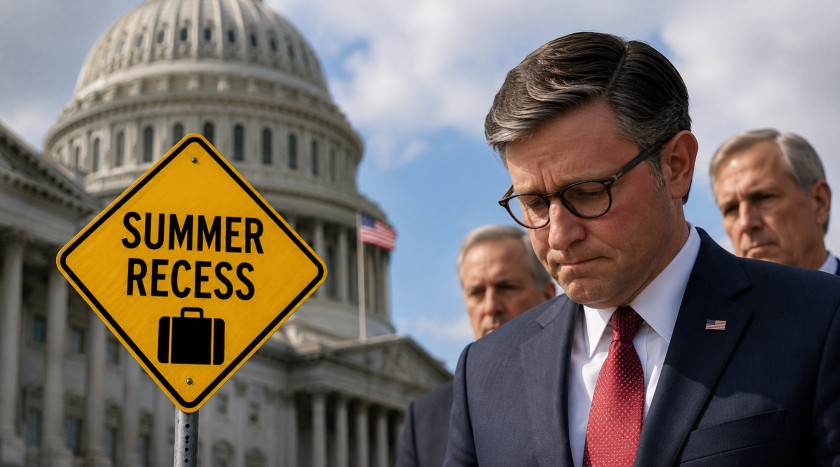
As the U.S. House of Representatives heads into its summer recess, Republican lawmakers have managed to advance several legislative priorities, including a boost in defense spending and proposed changes to voting processes. These efforts come at a time when the party is feeling the heat of political pressures ahead of the upcoming November midterm elections. Despite celebrating these legislative strides, the GOP is contending with internal rifts, highlighted by a faction of Republican members who sided with Democrats to pass a non-binding resolution urging for the withdrawal of U.S. troops from combat roles involving Iran, showcasing the party’s internal discord.
The proposed legislation, which includes a defense spending package and election reform measures, now moves to the Senate, where its future remains uncertain. Republican leaders in the Senate have hinted at potential delays in addressing these bills as they navigate ongoing, broader budget discussions. This uncertainty casts a shadow over the Republicans’ ability to maintain legislative momentum.
In the background, Democrats are strategizing to leverage voter concerns surrounding healthcare, economic issues, and military expenditures to regain their footing in Congress. They aim to energize their base by focusing on these key domestic issues, hoping to make significant inroads during the midterm elections.
Meanwhile, Republicans continue to defend their legislative agenda, asserting that their policies are contributing to economic stability and enhancing national security. This sets the stage for a tightly contested battle as both parties gear up for the midterms, each presenting their case to the American electorate in a bid to secure control of Congress.