
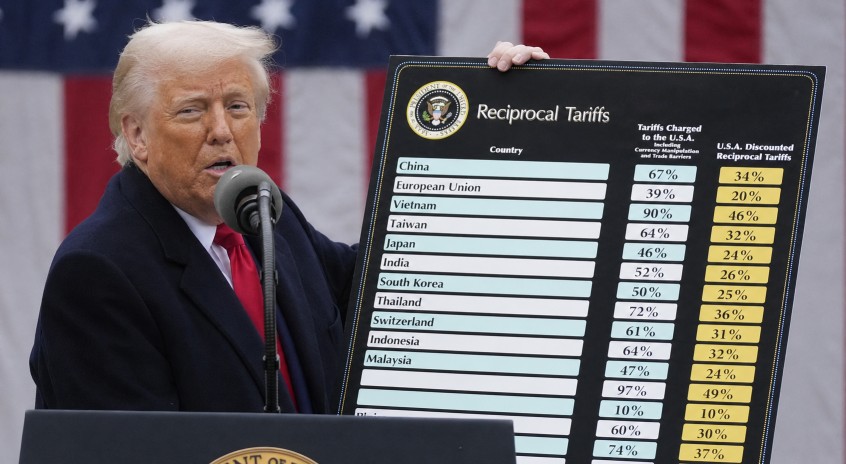
US President Donald Trump has introduced a fresh series of tariffs on imports from over 80 countries, stepping in after the expiration of a temporary 10% global tariff. These new tariffs, ranging from 10% to 12.5%, are part of the administration’s ongoing trade policy shifts and target countries such as the United Kingdom, European Union member states, Canada, Mexico, Australia, India, and China. The implementation is under Section 301 of the US Trade Act of 1974, which the administration justifies as a measure to tackle concerns about forced labor in global supply chains.
US Trade Representative Jamieson Greer stated that the United States is urging its trading partners to enhance restrictions on imports connected to forced labor practices. This announcement comes on the heels of a US Supreme Court ruling that earlier this year questioned the legality of previous tariffs imposed under emergency powers. Consequently, the administration is pursuing an alternative legal framework for these new tariffs.
The decision has sparked criticism from several of America’s allies. Both Australia and Brazil have labeled the tariffs as unjustified and are pushing for their removal. Meanwhile, the European Union has requested further clarification from Washington, with EU officials expressing surprise and concern over the sudden move. Canada has also voiced its objections, insisting it should not be targeted due to its already stringent measures against forced-labor imports and advocating for a multilateral approach instead.
Trade experts have raised questions about the president’s constitutional authority to enact such broad tariff measures without congressional approval. This skepticism suggests the possibility of further court challenges against the new tariffs. Domestically, Trump’s tariff policies continue to generate political debate. While the administration claims its trade strategies have bolstered the US economy and shielded domestic industries, public opinion surveys reveal that many Americans attribute higher consumer prices to these tariffs.
The introduction of these tariffs adds an additional layer of uncertainty to the global trade landscape. As governments worldwide evaluate the economic consequences, they are also contemplating potential responses to the United States’ latest trade move.