
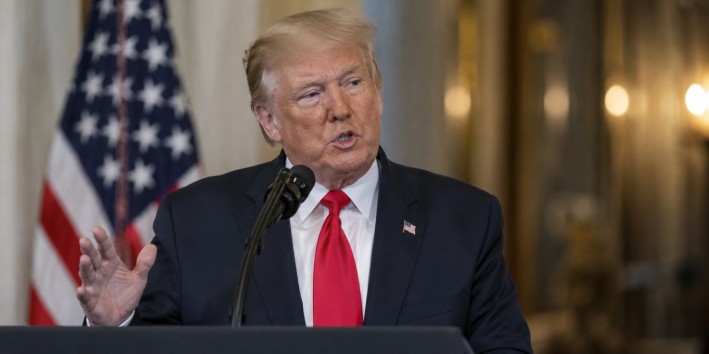
In a recent statement, U.S. President Donald Trump expressed that he does not foresee the need for military intervention in Cuba, suggesting that diplomatic negotiations could ease the ongoing tensions between Washington and Havana. Speaking to reporters on September 26, Trump conveyed optimism about reaching an agreement with Cuba, emphasizing the United States’ interest in fostering improved relations and aiding the island nation.
Trump’s remarks follow his address to the United Nations General Assembly, where he criticized Cuba’s communist government and declared that freedom would eventually come to the country. His comments led to a walkout by members of the Cuban delegation during the assembly. Despite these strong words, the President’s latest statements indicate a preference for negotiation over military action, even as U.S.-Cuba relations remain strained.
The administration’s approach involves continued diplomatic engagement, with Secretary of State Marco Rubio playing a key role in negotiations aimed at pressuring the Cuban government. This shift towards dialogue marks a significant aspect of the U.S.’s ongoing strategy concerning Cuba, as the Trump administration seeks a fundamental change in the island’s political landscape.
While the situation remains tense, Trump’s comments suggest a willingness to explore peaceful resolutions to the conflict. The focus on negotiation underscores the administration’s current stance, balancing aggressive rhetoric with diplomatic efforts to address the challenges in U.S.-Cuba relations.