
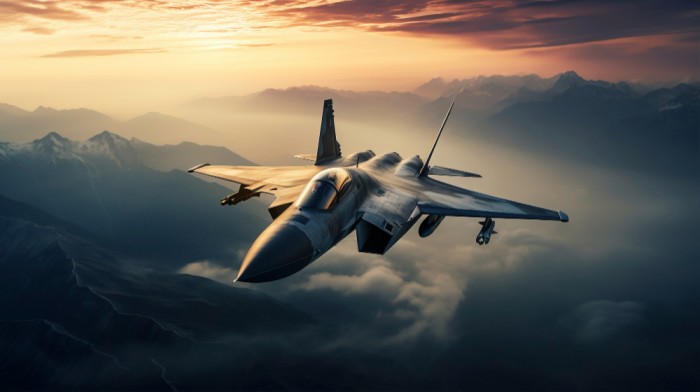
The United States has initiated a new series of military strikes against Iran, signaling a major intensification in their ongoing conflict over the vital Strait of Hormuz. These recent attacks focused on Iranian military facilities, with US officials asserting that the operations were designed to diminish Iran’s capacity to threaten commercial shipping and international maritime routes in the area.
President Donald Trump stated that the purpose of the strikes was to hold Iranian forces accountable for their actions. In response, Iran condemned the attacks, arguing that they have undermined recent diplomatic efforts and rendered negotiations ineffective. This escalation follows Iran’s missile and drone assaults on US military bases in several Gulf nations, alongside Tehran’s announcement of renewed restrictions on movement through the Strait of Hormuz. Iranian officials have declared that shipping through this critical waterway will remain curtailed until regional stability is restored.
The recent exchange of hostilities has heightened concerns regarding the security of one of the world’s most crucial energy corridors. The Strait of Hormuz is responsible for a substantial portion of the global oil and liquefied natural gas exports, and the renewed tensions have already led to an increase in global oil prices due to fears of prolonged disruptions.
Despite the rising conflict, the United States has reaffirmed its commitment to maintaining operations that protect the freedom of navigation and ensure the safe passage of commercial vessels through the region. The situation remains fluid, with both nations at odds over the strategic control of this pivotal maritime route.