
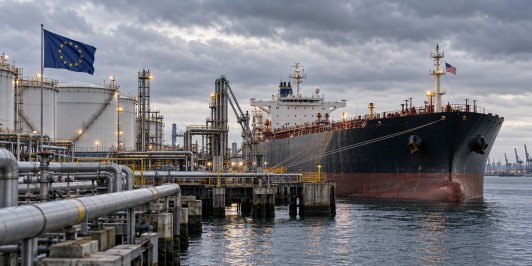
The European Union has raised concerns about reports that the United States, under President Donald Trump, is considering a 90-day ban on diesel exports. This proposed measure, intended to alleviate domestic fuel prices, could have significant repercussions on both U.S. and European markets, according to EU officials and energy market analysts.
The potential export restriction comes at a time when Europe is increasingly reliant on U.S. diesel imports, due to reduced supplies from parts of the Middle East and Russia. These reductions have occurred as a result of disruptions in refining capacity, making U.S. shipments a crucial component of Europe’s diesel imports this year. A ban could therefore tighten global diesel supplies and drive up prices, impacting not only Europe but also other international markets.
The European Commission has emphasized the importance of consultations between trading partners before implementing measures with international implications. While Europe’s domestic refineries currently meet a large portion of its diesel consumption and strategic reserves offer some protection, the loss of U.S. supplies would likely force European buyers to seek alternative sources from regions such as the Middle East and India. This shift could exacerbate competition and fuel costs, particularly affecting countries like the UK, which has limited refining capacity and relies heavily on imported refined fuel.
Diesel prices in Europe have already surged due to ongoing disruptions in the Gulf region and Russia. A U.S. export ban could further strain the market, increasing competition for available supplies globally. The proposed measure aims to boost fuel availability for American consumers, but its broader impact might lead to heightened pressure on European and other international diesel markets.